

Ulta’s Tween Birthday Parties Were a Strategic Goldmine…Until the Internet Got Involved.
Imagine designing what should be a commercial home run: hosting in-store birthday parties for 13-year-olds to establish their very first beauty ritual. At $42 per guest, Ulta wanted to reclaim tween loyalty from competitors like Sephora while delighting millennial moms looking for an age-appropriate rite of passage. Instead, the internet did what the internet does best: found a single spark and turned it into a viral bonfire.
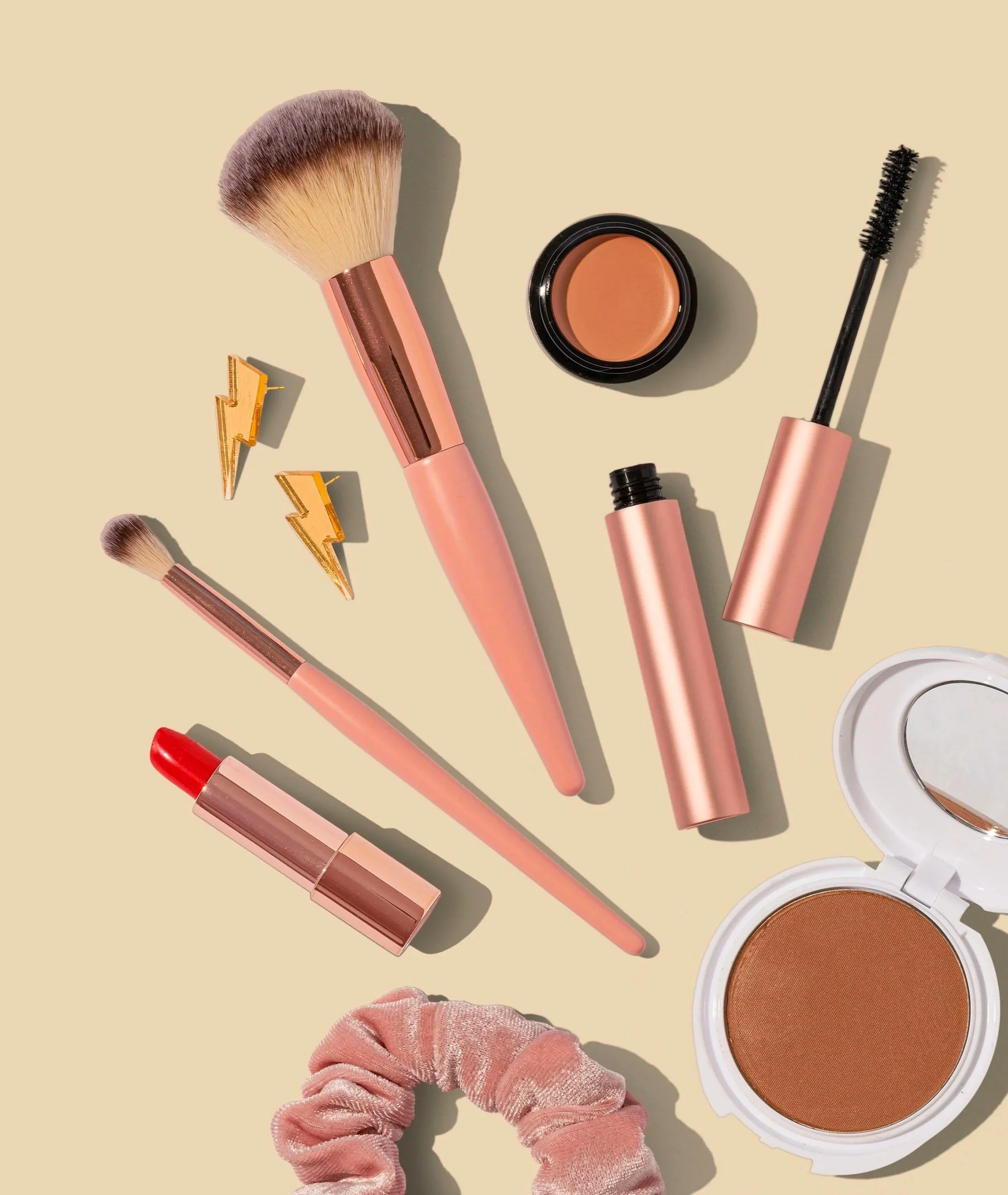
When a heated social media debate broke out over a young guest's birthday outfit, Ulta suddenly found itself serving as the backdrop for a global parenting commentary.
Beneath that viral noise, however, lay a much more quiet and dangerous threat: store-level operational burnout.
TL;DR —
The Quick Catch-Up
The Activation/Event: Ulta Beauty introduced a $42-per-guest in-store birthday party program to capture tween market share from Sephora and build long-term brand loyalty.
The Viral Spectacle: A viral social media debate over a 13-year-old party attendee's outfit hijacked the narrative, dragging the brand into a massive cultural outrage cycle.
The Conflict/Backlash: Operational friction and weekend store disorganization led to a -62% net sentiment spike in service complaints, driving creators to publish warning videos to other parents.
While the core experience drives a massive +92% net sentiment when executed well, Ulta must separate party hosting from general floor retail to protect its brand long-term value.
What the Data Actually Showed
Analyzing 6.6K mentions across global social channels, news, and forums revealed a fragile +6% net sentiment (39% positive vs. 33% negative). But breaking down the contextual clusters tells the real story:
First, a viral outfit controversy hijacked over half the brand conversation.
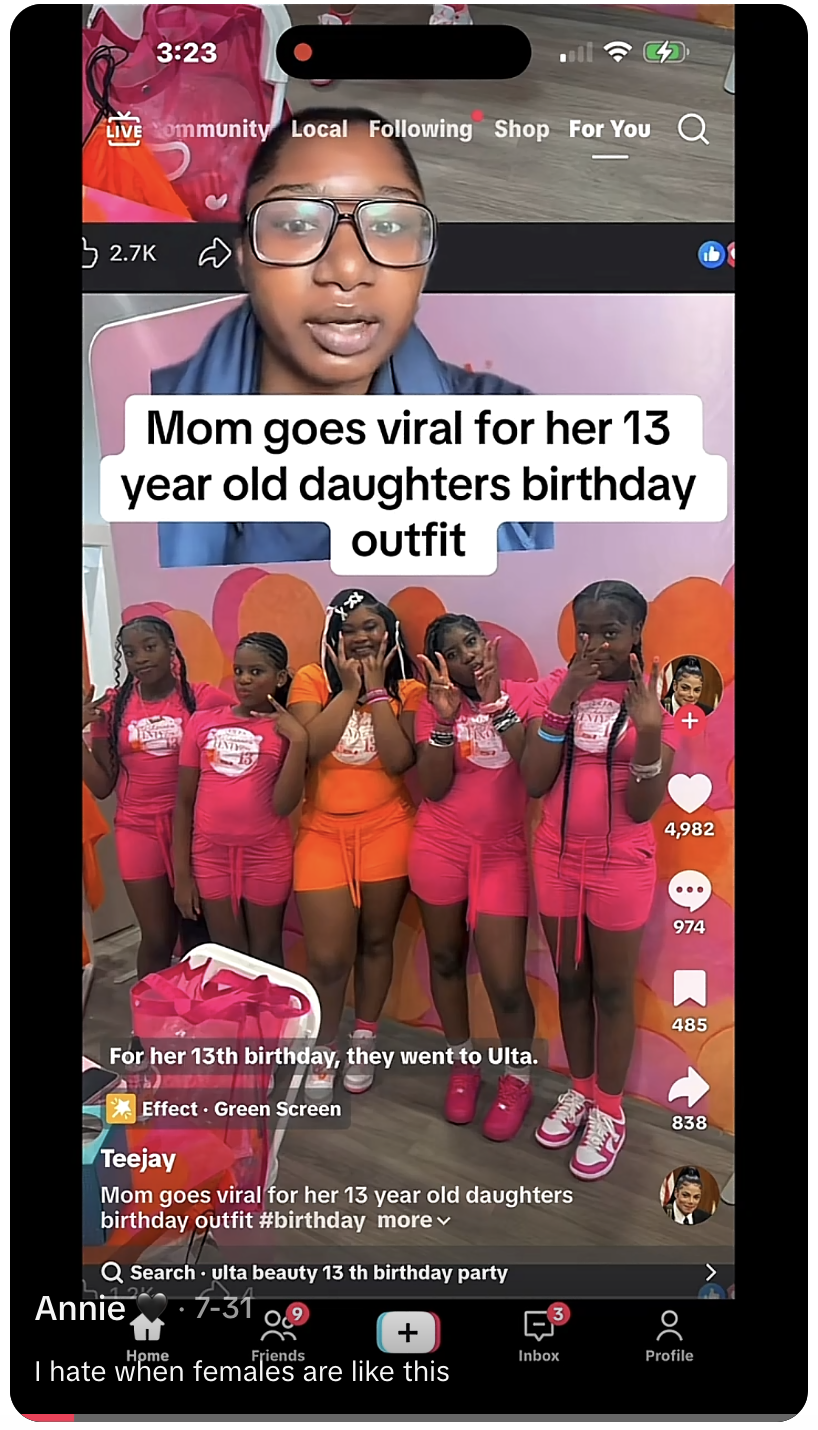
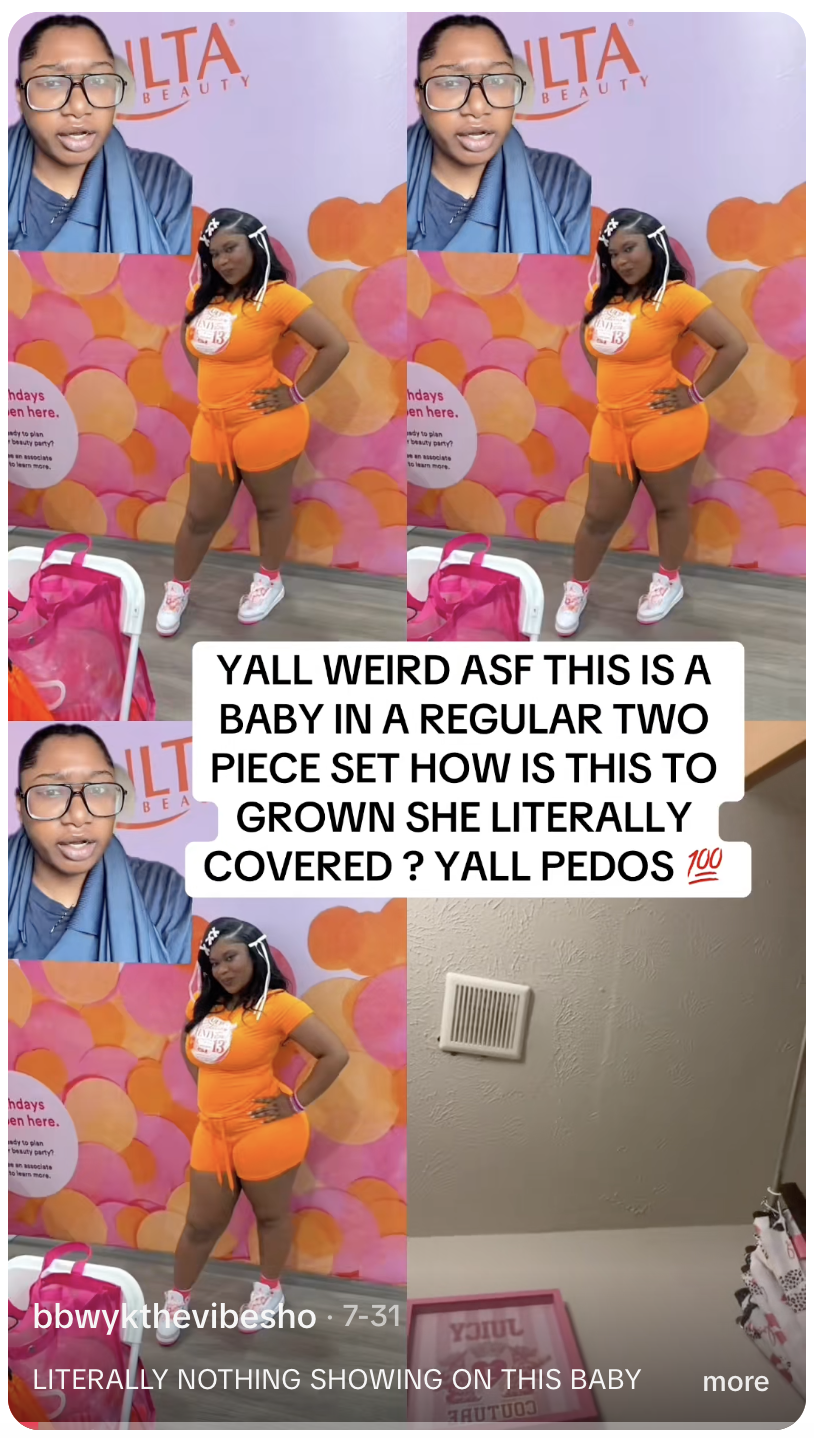
The largest theme in the report, Societal Judgment and Protection of Childhood, accounted for 3.6K mentions.
Driven by creators like Annie 🖤and bbwykthevibesho, the commentary spiraled into an internet pile-on. The sub-topic Maternal Defense Outrage alone generated 600 mentions at a staggering -49% net sentiment.
Weekend store disorganization is actively driving anti-recommendations.
The Ulta Beauty Faces Criticism theme peaked on June 13 with 903 records, driven entirely by operational chaos during busy store hours.
The Service Disorganization Issues topic recorded a -62% net sentiment across 612 mentions.
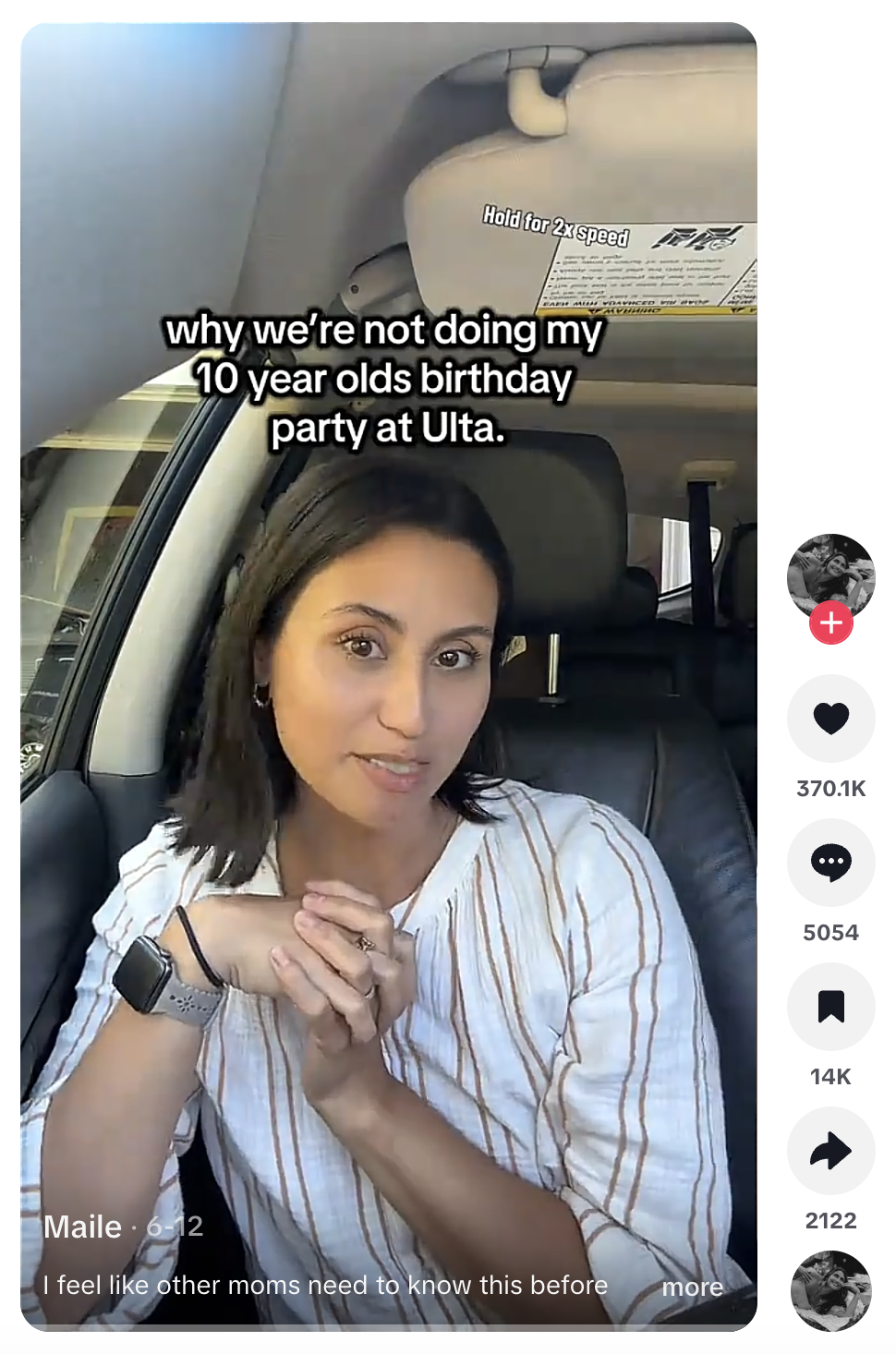
High-profile creators like Maile published warning videos ("I feel like other moms need to know this before they book"), generating over 360K reactions.
When executed with dedicated staff, the LTV potential is exceptional.
Away from the viral drama, the core product concept shines. The Ulta Beauty's Growing Role in Children's Celebrations theme generated a +56% net sentiment. Even better, the Festive Ulta/Lush Parties topic hit an outstanding +92% net sentiment, with creators like Ash. | Faith✨ Family✨ Fashion lavishing praise on hostesses who made the event special.
Millennial mothers are judging Ulta against 2000s mall nostalgia and Lush.
The target buyer isn’t just comparing Ulta to Sephora; she is comparing it to her own childhood memories. The Nostalgia for Libby Lu theme registered a +49% net sentiment, proving moms want an immersive, dedicated experience rather than a rushed retail add-on.
What a Standard Tool Would Have Missed
If you ran this data through a standard social listening tool, you’d likely see a +6% net sentiment and assume the program was idling along in neutral. Or, seeing the massive negative spike in early August, you might assume consumers hated the $42 price tag or rejected tween skincare altogether.
Standard keyword tools dump all incoming text into one giant bucket. They mix up context, confusing a viral debate about a guest's outfit with actual customer reviews of Ulta's service.
Tellagence Discover contextual intelligence separated the signal from the noise:
It isolated the viral event: Discover grouped the 3.6K societal debate mentions into its own distinct cluster, showing that the outfit drama was a brand safety issue, not a product failure.
It pinned down the true business risk: By isolating the 612 service disorganization mentions, Discover highlighted that weekend staffing—not pricing or product quality—was the primary driver of customer churn.
Choices — Not Instructions
Based on these contextual findings, Ulta leadership has clear strategic paths forward:
Decouple Party Hostesses from General Floor Retail. Require stores to schedule dedicated party hosts who are completely exempt from floor restocking or cash register duties during an event.
Trade-off: Increases store-level labor hours.
Reward: Directly eliminates the primary driver of negative reviews (-62% net sentiment).
Implement an In-Store Filming & Privacy Protocol. Establish gentle, clear guidelines in the party booking agreement around filming inside the party area to protect minor guests.
Trade-off: Slightly reduces organic user-generated content (UGC) from parents.
Reward: Protects the brand from becoming the backdrop for viral TikTok outrage cycles.
Lean into Millennial Nostalgia in Brand Marketing. Position the parties in digital campaigns as the modern evolution of classic 2000s mall makeovers (tapping into the +49% net sentiment around Club Libby Lu nostalgia).
Trade-off: Shifts marketing focus slightly toward the parent rather than the tween.
Reward: Increases conversion rates among millennial moms who hold the credit card.
About This Report
This analysis was generated using Tellagence Discover, a contextual intelligence platform that transforms raw social listening noise into clear, actionable stories. By clustering intent, sentiment, and semantic context, Discover helps brand leaders see what traditional tools miss.
Learn more about our underlying technology at tellagence.ai/science.
Ready to uncover the hidden stories in your brand's data? Contact the Tellagence team.