

Coca-Cola's AI Can Redesign and the Coke Zero Mix-Up
When Coca-Cola launched "Project Fizzion," the corporate strategy looked like a slam dunk: use cutting-edge AI software to instantly scale and localize assets across 200 global markets while leaning into a warm, 148-year-old heritage aesthetic.
But when the physical cans hit grocery shelves, the internet didn't throw a fit about artificial intelligence stealing design jobs. Instead, shoppers panicked because they couldn't tell regular Coke apart from Coke Zero—and social media promptly turned the custom serif typography into a viral meme.
Across 3.7K mentions analyzed between July 20 and August 12, 2026, overall conversation around the rebrand landed at a strained -16% net sentiment. But when you look beneath the surface of that headline number, the data reveals a far more nuanced lesson in consumer behavior.
TL;DR — The Quick Catch-Up
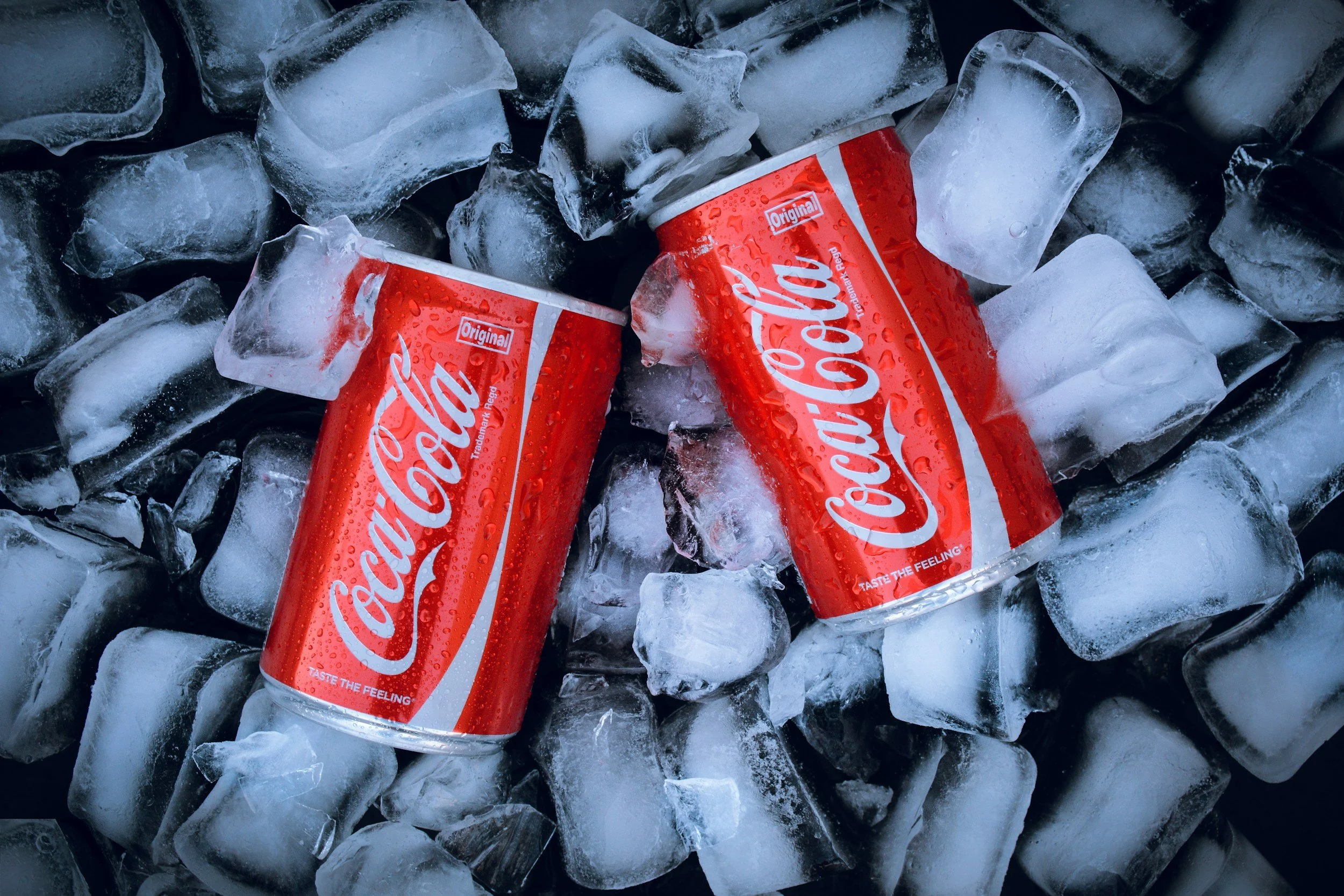
The Activation/Event: Coca-Cola rolled out a massive global visual refresh, leveraging Adobe AI tools ("Project Fizzion") to localize brand assets across 200 markets while shifting to a retro-inspired portfolio identity.
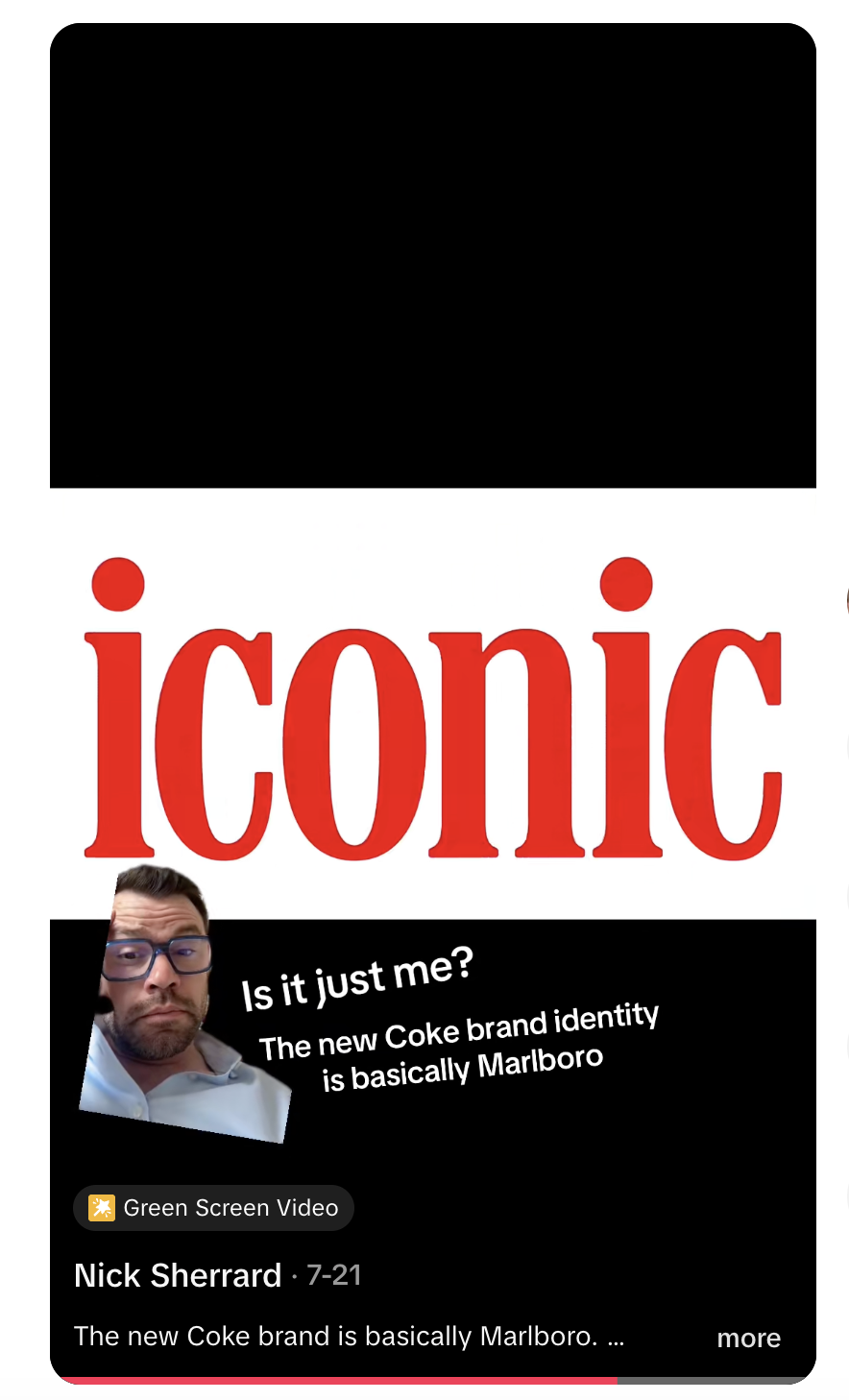
The Viral Spectacle: While enterprise tech commentary praised the AI rollout (+30% net positive), social media users immediately fixated on the custom serif font, turning it into a viral "fridge cigarette" meme comparing the can to Marlboro packaging.
The Conflict/Backlash: Erasing visual distinctions made Coke Zero look virtually identical to Classic Coke, plunging shelf-navigation conversations to a brutal -100% net negative sentiment due to retail frustration and health concerns from diabetic consumers.
The Tellagence Takeaway: Tellagence Discover proved that consumers actually accepted backend AI design—the real crisis was a packaging usability failure that broke learned grocery habits.
What the Data Actually Showed
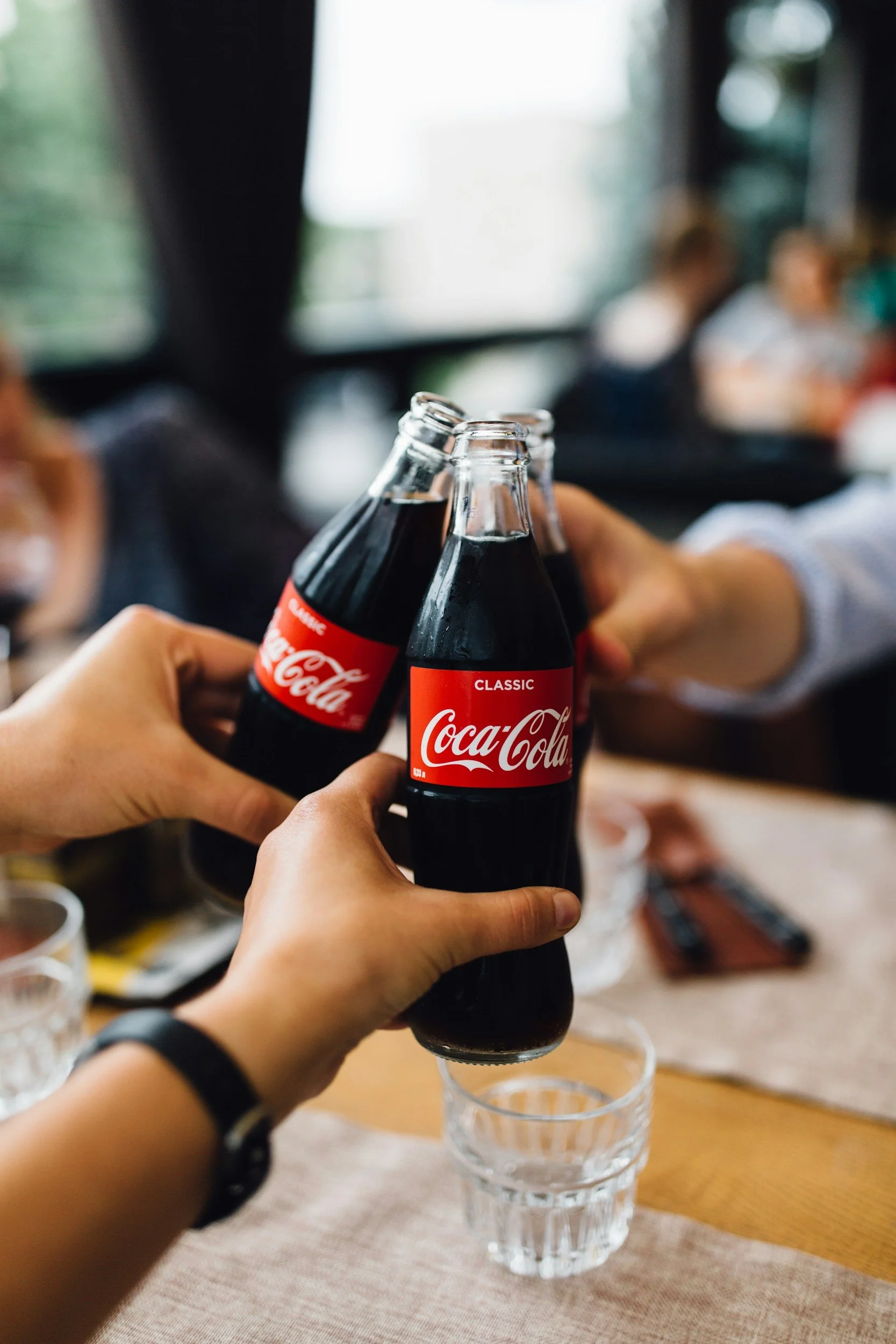
AI is a business story, not a consumer crisis.
Despite industry anxiety surrounding automated design tools, audiences treated Adobe AI integration as a smart corporate efficiency. Conversations anchored in business integration and ROI scored a healthy +30% net positive sentiment. Consumers largely accepted backend AI production—as long as the final product looks authentic, buyers don't care how it was built.Visual unification broke learned consumer habits.
Making Coke Zero visually identical to Classic Coke created severe navigational friction at retail. The specific conversation cluster centered on brand unification plunged to -100% net negative sentiment. Shoppers rely on split-second color cues; erasing them turned routine grocery runs into frustrating guessing games and sparked health concerns for diabetic consumers worried about accidental sugar intake.A font change accidentally revived a meme.
The updated serif typography was intended to feel elegant and archival, but social media instantly drew comparisons to Marlboro cigarette packaging, driving dedicated complaint clusters to -90% net sentiment. However, in true internet fashion, a subculture of digitally native users ironically embraced the chaos, generating pockets of +45% net positive sentiment praising the brand for the "fridge cig" aesthetic.Retro heritage wins when clarity remains king.
The shift away from mid-2010s corporate minimalism in favor of heritage elements like the "Arden Square" generated a +19% net positive sentiment. Consumers actively want texture and legacy brand codes—they just refuse to compromise on usability to get them.
What a Standard Tool Would Have Missed
If you evaluated this campaign through a traditional keyword-listening tool, you would see 3,700 mentions, a -16% net sentiment (35% negative vs. 19% positive), and assume the entire rebrand was a complete failure—or falsely attribute the backlash to consumer resistance against AI. Standard tools dump every post into a single bucket, missing the actual mechanics of public reaction.
Tellagence Discover's semantic clustering tells the real story:
Isolating the Friction: Discover revealed that overall negativity wasn't a blanket rejection of Coca-Cola's design. It was concentrated inside two distinct clusters: retail confusion over Coke Zero (-100% net sentiment) and the Marlboro font meme (-90% net sentiment).
Uncovering Hidden Success: While basic tools reported negative sentiment, Discover extracted a quiet enterprise victory: corporate discourse around AI efficiency was thriving at +30% net positive, and retro design appreciation sat at +19% net positive.
Separating Outrage from Irony: Discover identified that even within the cigarette meme chatter, a specific demographic was giving the brand ironic praise (+45% net positive), transforming a corporate oversight into unexpected cultural relevance.
Choices — Not Instructions
Based on these contextual intelligence insights, brand leaders navigating visual updates can choose from three clear strategic paths:
Prioritize Retail Usability (Product Strategy)
Re-introduce clear visual shortcuts—such as a high-contrast cap or a prominent zero-sugar banner—on Coke Zero packaging. Sacrificing absolute visual uniformity restores essential split-second shopping decisions and eliminates potential health-related packaging complaints.
Pivot the AI Narrative to B2B (Corporate Communications)
Capitalize on the positive reception among business audiences by highlighting "Project Fizzion" as an enterprise ROI case study. Focus messaging on how AI enabled localized assets across 200 markets, while keeping AI talk out of consumer-facing lifestyle campaigns.
Lean into Heritage, Ignore the Meme (Social Strategy)
Avoid direct engagement with the "fridge cigarette" meme. Instead, spotlight the authentic archival history of the Arden Square and serif typography across owned channels, allowing viral banter to run its course while building equity around historical heritage.
Want to see Discover run a pulse on your brand's audience? Let's talk.
About This Report
This Pulse Report was powered by Tellagence Discover, our proprietary Contextual Intelligence platform that turns unstructured conversational data into strategic cultural insight. By looking beyond simple keyword counts to map semantic narrative clusters, Discover reveals what audiences actually care about and why.
Explore our research and methodology at tellagence.ai/science.
Ready to uncover the hidden dynamics behind your brand? Connect with the Tellagence team.