The 2026 NBA Finals and the New Sports Marketing
Tellagence Discover analyzed 85,900 social and news records surrounding the 2026 NBA Finals between the New York Knicks and the San Antonio Spurs. The finding: the game was the least interesting part.
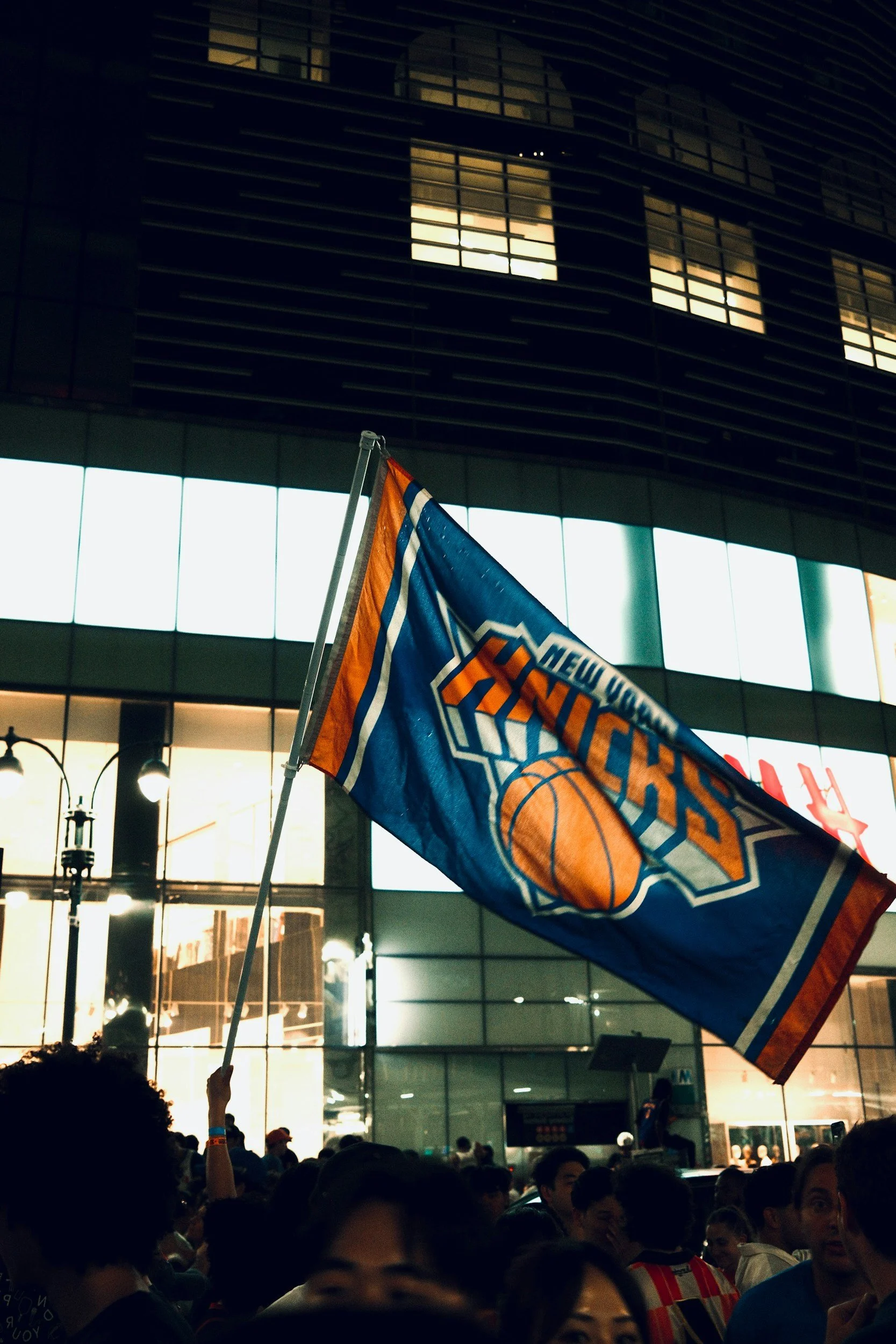
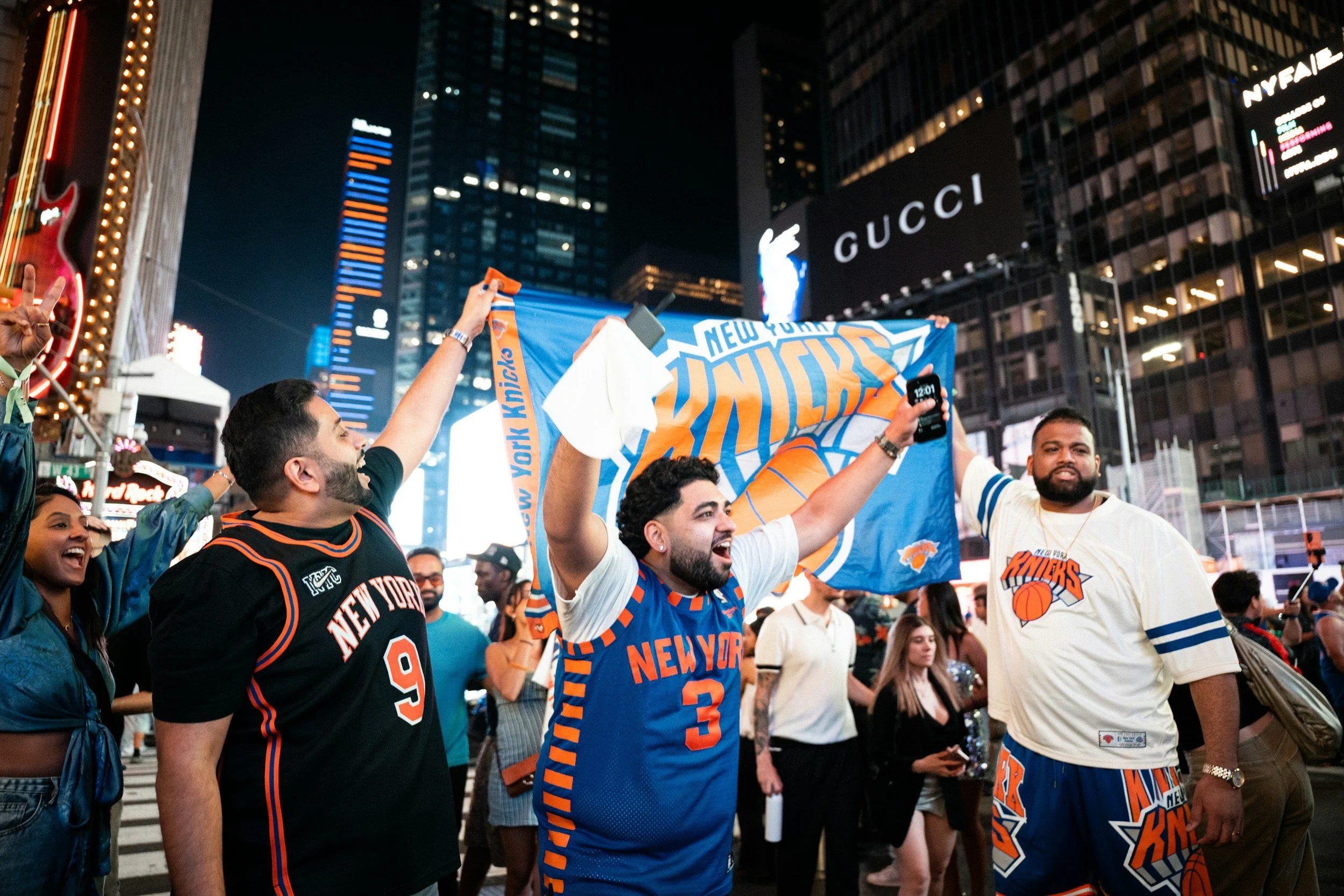
The Knicks ended a 53-year championship drought in 2026. That generated 47,400 records of jubilant, high-positive social volume — the largest single theme in an 85,900-record dataset.
But the story the data tells isn't really about basketball. It's about what happened around the game: a celebrity-driven pop culture crossover that expanded the Finals' reach beyond any traditional sports audience, a political attendance that turned Game 3 into a lightning rod, and ticket prices that priced out the fans the sport claims to serve. Sports marketing has fundamentally changed. The Finals were the best illustration yet.
What the data actually showed
1. Celebrity fandom is now a marketing asset class. Taylor Swift wearing custom Knicks attire alongside the Haim sisters at Madison Square Garden generated 1,500 records of highly positive social engagement — and that number understates the reach. The mechanism: crossover celebrity presence doesn't just amplify existing sports audiences; it pulls in people who weren't watching. This is the template for the next era of sports sponsorship — not athlete endorsements, but pop-culture co-creation moments with lifestyle icons who happen to love their city's team.
2. Hometown pride outperforms generic endorsement. The 2026 Finals saw celebrities championing cities, not just players. New York's star-studded crowds and San Antonio's localized community initiatives both demonstrate a shift toward regional identity as the core driver of authentic fan connection. Brands aligned to a city — not just a team — have a longer shelf life and broader community goodwill than those aligned to a single athlete's performance.
3. Political attendance immediately politicizes the brand environment. Donald Trump's attendance at Game 3 triggered 19,700 records of controversy — the second-largest theme in the dataset and the most negative. The security perimeter cancelled outdoor fan watch parties. Traffic congestion displaced local businesses. The arena crowd responded with extensive booing, and social media turned the game into a political debate. Any brand sponsor without a neutrality playbook going into a politically charged live event is operating without a risk strategy.
4. Ticket prices are a brand safety problem. With nosebleed seats exceeding $10,000, the Finals generated 1,900 records of dedicated economic outrage. Player Josh Hart publicly called out the pricing; subsequent political commentary on it compounded the anger. The fan exclusion narrative directly contradicts the community messaging most NBA sponsors run. Brands that don't actively offset this — through community ticket initiatives, free watch parties, accessible fan activations — are funding a sport that talks community while pricing it out.
5. Victor Wembanyama's brilliance didn't save the Spurs' narrative. Despite standout individual play, San Antonio's late-game collapses in Game 4 generated intense public criticism. The lesson for brands investing in emerging superstar narratives: build the athlete story around potential and trajectory, not team results. Wembanyama is a generational talent. That story is durable. The "choker" conversation is episodic.
WHAT A STANDARD TOOL WOULD HAVE MISSED
Searching "NBA Finals 2026" across social platforms returns a wall of game recaps, highlight reacts, and prediction content — all of it sports-first, none of it useful for brand strategy.
Discover's query isolated brand-relevant cultural conversation: celebrity alignments, economic access discussions, political friction, and safety incidents. More critically, Discover's clustering separated the Taylor Swift conversation from the Trump conversation — two celebrity-adjacent themes that a keyword tool would have flagged similarly but that have completely opposite sentiment profiles and brand implications.
The Knicks' 53-year drought narrative was also clustered distinctly from the general "Knicks win" volume, giving the Finals MVP storyline its own strategic surface.
Three choices — not ten instructions
A. Co-create cultural moments with lifestyle icons, not just athletes. The Swift courtside effect is reproducible. It requires identifying celebrities with genuine, documented hometown loyalty and designing a custom brand moment — not a paid post, but a visible co-creation. The moment needs to feel organic, which means the brand's role is facilitation, not feature placement. High entry cost in planning; very high return in reach and non-traditional audience expansion.
B. Build a neutrality playbook before the next high-profile event. The 19,700-record Trump controversy shows how fast a live sports event becomes a political battleground. Brands need pre-built rapid-response protocols: which spokesperson speaks, what the brand says (or doesn't say), which content pauses, and which activations get pulled from rotation. The brands that navigated Game 3 best were the ones that had already decided their posture before anything happened.
C. Own the community access narrative actively, not performatively. The ticket inflation outrage is a direct brand vulnerability for every NBA partner. Community ticket initiatives — real seat access for local youth and longtime fans who can't afford the market rate — are low-risk, high-goodwill moves that reframe the brand's relationship with the city. The data shows fans notice when this is absent, and they notice when it's present. At $10,000 a nosebleed seat, the gap is visible.
ABOUT THIS REPORT
This report was produced using Tellagence Discover, a contextual intelligence platform. Contextual intelligence is the discipline of surfacing specific, sized, and human insights from large volumes of unstructured data — going beyond the obvious AI summary to find what the data actually means, not just what it says. Discover analyzed 85,900 records across social and news media using a custom semantic clustering engine, achieving a 99% confidence level with a margin of error under 1.5%. All reports are produced by the Tellagence research team.
Want to see Discover run a pulse on your brand's audience? Let's talk.