

Nike Scrapped an Air Max Release over 7-Eleven’s Colors. 1.6K Posts Called Out the Irony.
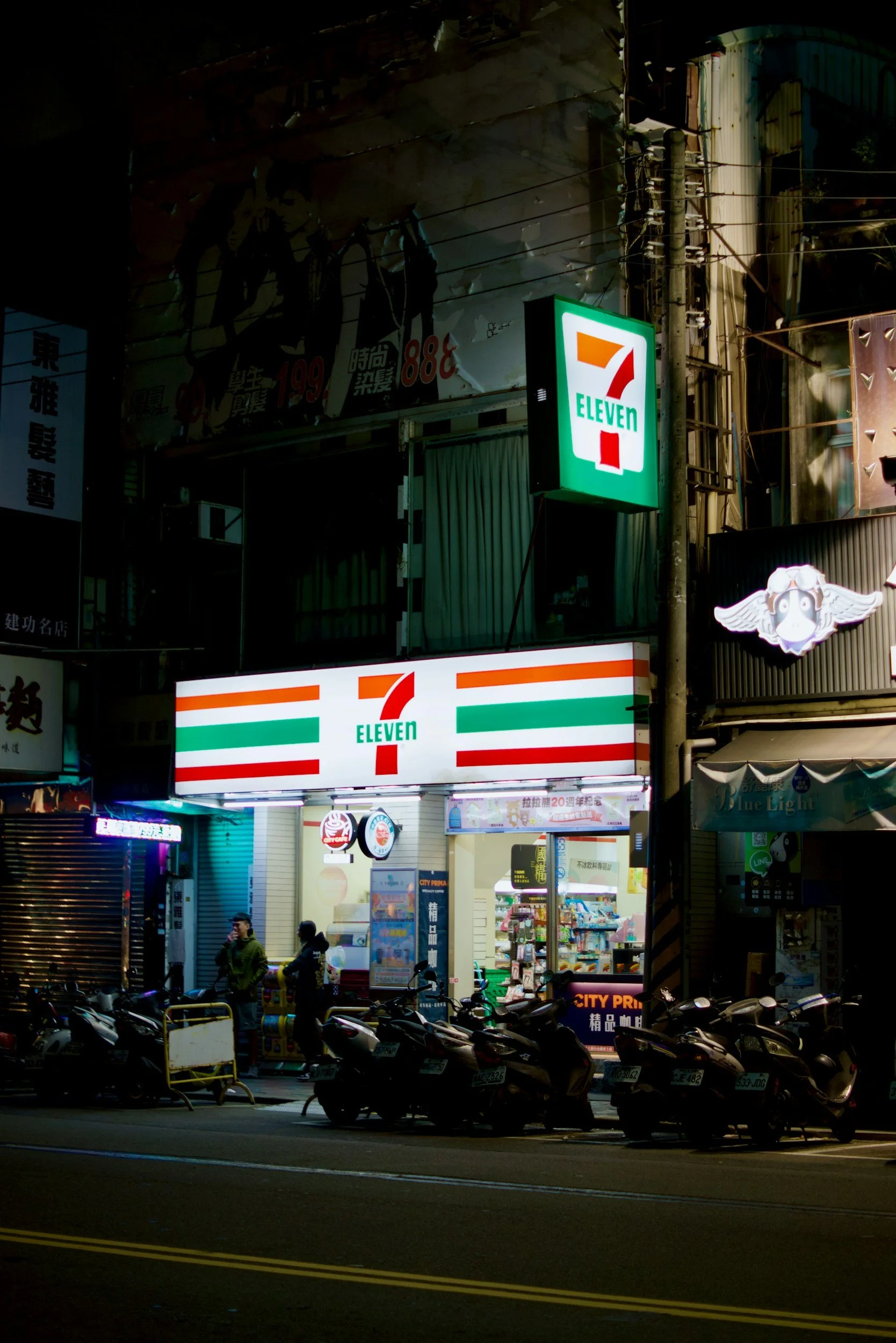
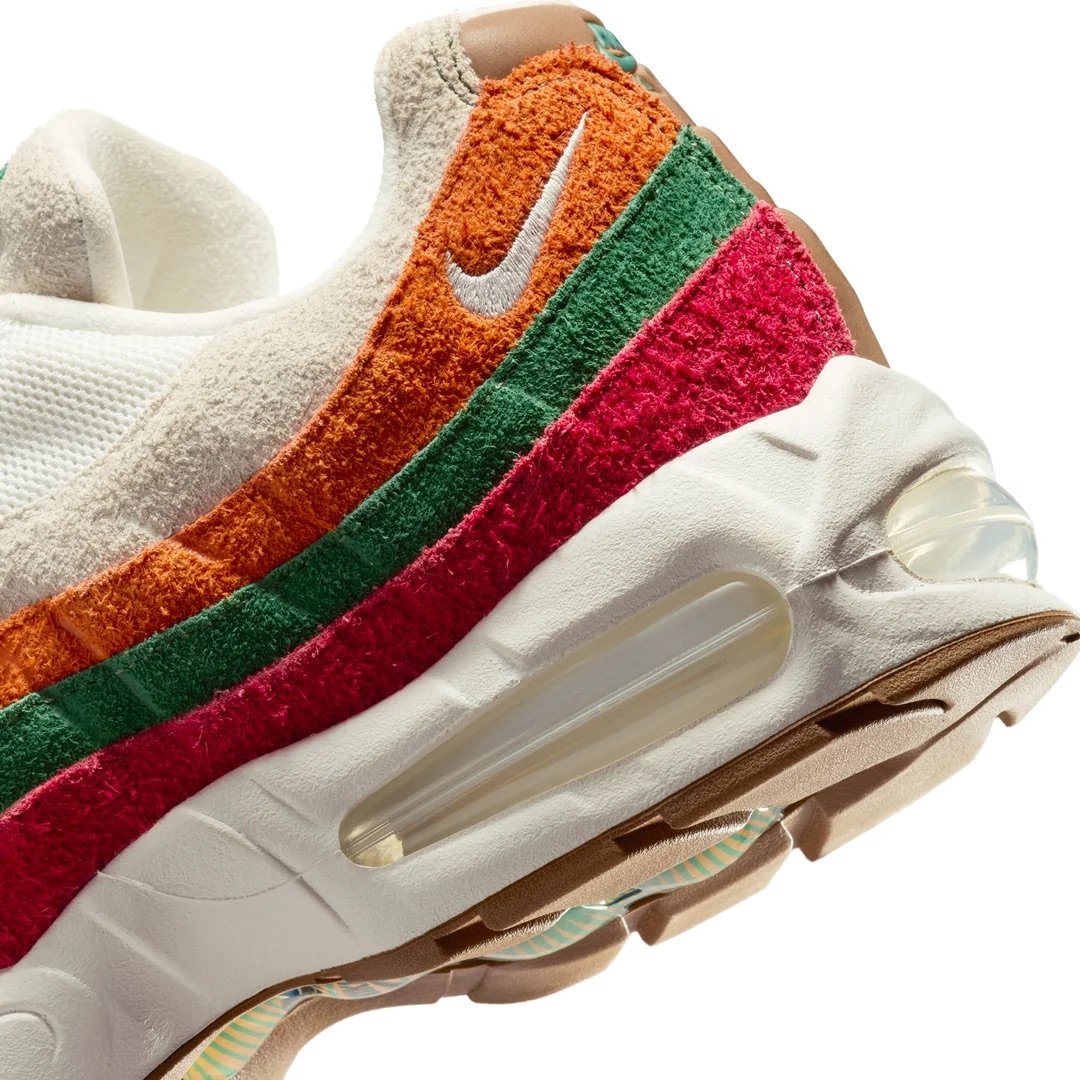
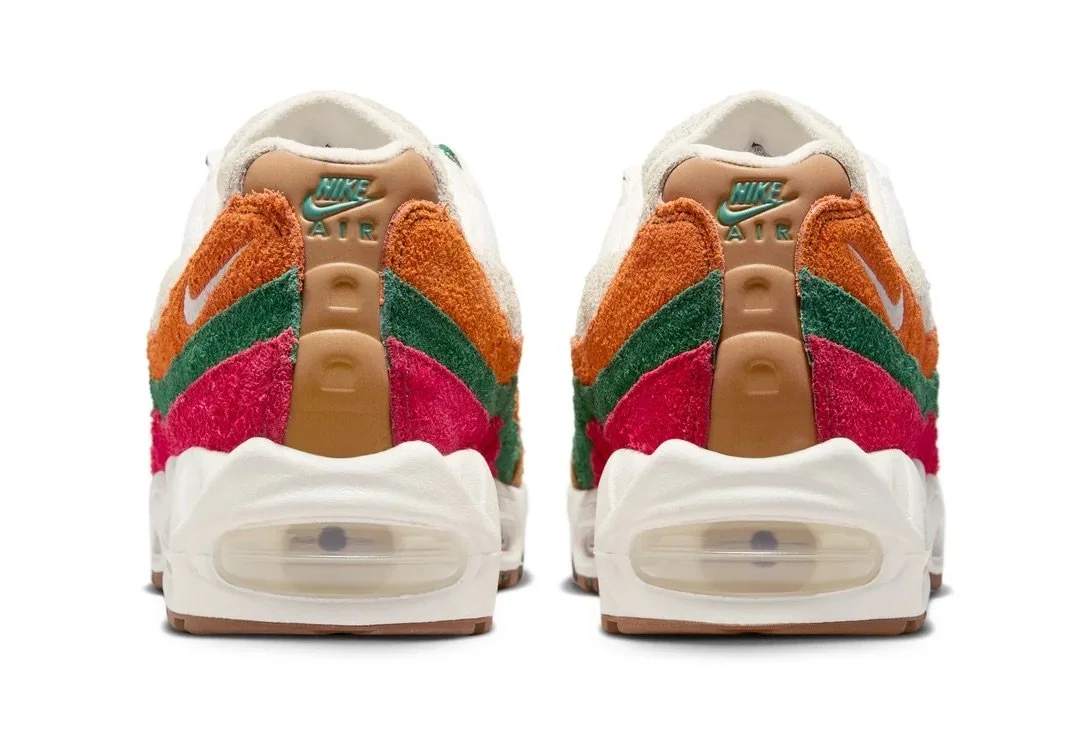
When Nike pulled the Air Max 95 "Konbini Pack" from its SNKRS app right before its scheduled July 11th release, sneakerheads knew something was up. The shoe sported 7-Eleven's unmistakable orange, green, and red stripes. The launch date was literally 7-Eleven Day. The only problem? Nike never actually asked 7-Eleven for permission.
When 7-Eleven hit Nike with a trademark infringement lawsuit over its 60-year-old Tri-Color Mark, the internet exploded. The narrative quickly turned into a masterclass in brand irony and speculative secondary markets.
TL;DR —
The Quick Catch-Up
The Activation/Event: Nike attempted to drop an Air Max 95 "Konbini Pack" featuring 7-Eleven's iconic orange, green, and red tri-color scheme on July 11th (7-Eleven Day) without an official license.
The Viral Spectacle: 7-Eleven filed a trademark lawsuit, forcing Nike to pull the release from the SNKRS app. The cancellation immediately triggered a speculative resale craze with pairs commanding a massive "lawsuit premium".
The Conflict/Backlash: Negative sentiment spiked (50% negative across 1.6K posts), primarily driven by sneakerheads pointing out the rich irony of Nike—a brand notorious for aggressively suing small customizers—getting slapped with an IP infringement lawsuit.
The Tellagence Takeaway: Tellagence Discover revealed that consumer outrage wasn't about the design itself, but about corporate hypocrisy and legal trade dress boundaries, separating raw legal chatter from genuine collector hype.
What the Data Actually Showed
Analyzing 3,200 public records from social, news, and forums between June and July 2026, Tellagence Discover unpeeled the true layers of the dispute:
Trade Dress Infringement Dominates the Volatility (1,118 Records / T1) The core trademark battle over non-verbal color combinations formed 35% of the total conversation. While casual observers were shocked that a brand could "own" three basic colors on a shoe, legal commentators and enthusiasts noted that 7-Eleven’s 60-year-old registered trade dress gave them a rock-solid case.
The "Lawsuit Premium" Resale Craze (373 Records / T2) Instead of killing interest, the cancellation made the shoe a holy grail. Backdoor sales and early international boutique drops allowed physical pairs to escape into the wild, driving resale prices to double on platforms like StockX as buyers gambled on a full product recall.
The Irony of Enforcement (232 Records / T7) A major sub-theme driving negative chatter centered on Nike's aggressive litigation history. Sneaker culture called out the hypocrisy of a brand that routinely sues independent customizers and bootleggers getting sued by a convenience store.
Ghosts of Tokyo 2020 (205 Records / T8) Collectors remembered the scrapped 2020 7-Eleven x Nike SB Dunk Low (canceled when the Tokyo Olympics were delayed). This historical paper trail undercut any attempt by Nike to claim the Air Max 95 design was merely an coincidental "homage."
What a Standard Tool Would Have Missed
If you ran this event through a standard social listening platform, you’d see a sea of red: 50% negative sentiment (1,600 records). A basic dashboard would warn executives that "consumers hate the shoe design" or that "brand equity is plummeting".
Tellagence Discover proves why semantic clustering matters:
Separating Backlash from Desire: Standard tools lump all negative keywords together. Discover showed that the negative sentiment wasn't directed at the product's aesthetic—people loved the shoe. The negativity was split between annoyance at Nike's IP double standards and frustration that the SNKRS drop was pulled.
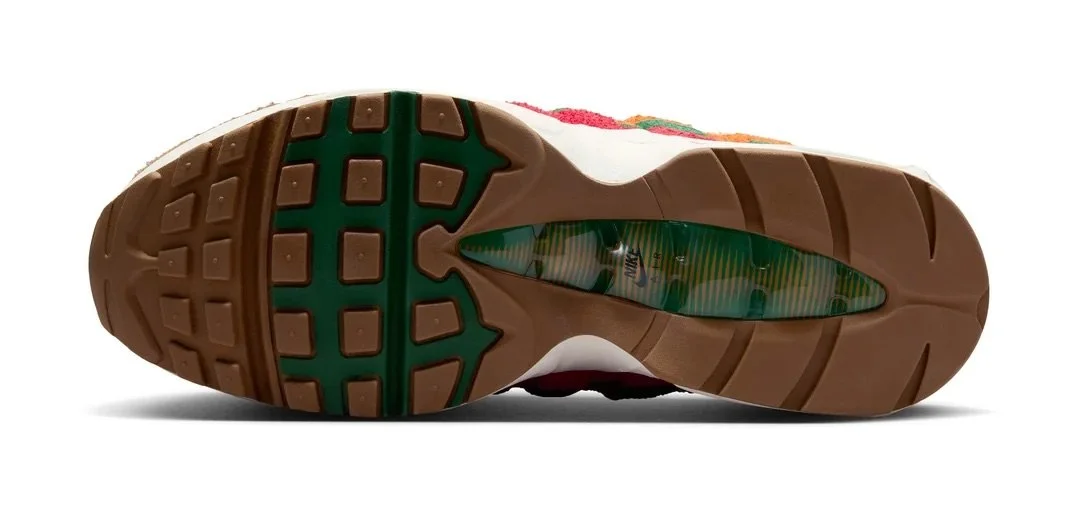
Identifying the Real Driver: Discover isolated Cluster C1 (611 records) within the broader colorway theme (1,118 records), demonstrating that the primary driver was consumer confusion caused by high-detail touches (like convenience store shelf-graphic insoles). Because the homage was too accurate, consumers genuinely believed it was an official collaboration, directly validating 7-Eleven's core legal claim.
Where to go from here?
When facing trade dress disputes that ignite the secondary market, brand teams have distinct strategic avenues:
Option A: Settle and Collaborate (Pivot) Settle the litigation by offering Seven & i Holdings a licensing royalty, converting the bootleg aesthetic into an official co-branded release for 7-Eleven Day 2027.
Option B: Silent Redesign (Product Pivot) Quietly alter the colorway (swapping safety orange for varsity red) and strip the shelf-graphic insoles to salvage manufacturing investments without infringing on registered trade dress.
Option C: Geographic Shift (International Transition) Cancel the U.S. launch entirely while clearing existing inventory through European and Asian boutique channels where trade dress enforcement standards differ.
About This Report
This Pulse Report was generated using Tellagence Discover, an advanced contextual intelligence platform that maps consumer sentiment, cultural themes, and brand risk — going beyond the obvious AI summary to find what the data actually means, not just what it says.
Learn more about the methodology behind contextual clustering at See the Science.
Want to map your brand's digital footprints and hidden risks? Contact us.