

F1 Built 28,000-Brick LEGO Karts: How 27.5K Fan Posts Exposed a Divided Grid
Formula 1 is actively trying to reach younger and casual audiences to extend their brand beyond hardcore viewers.
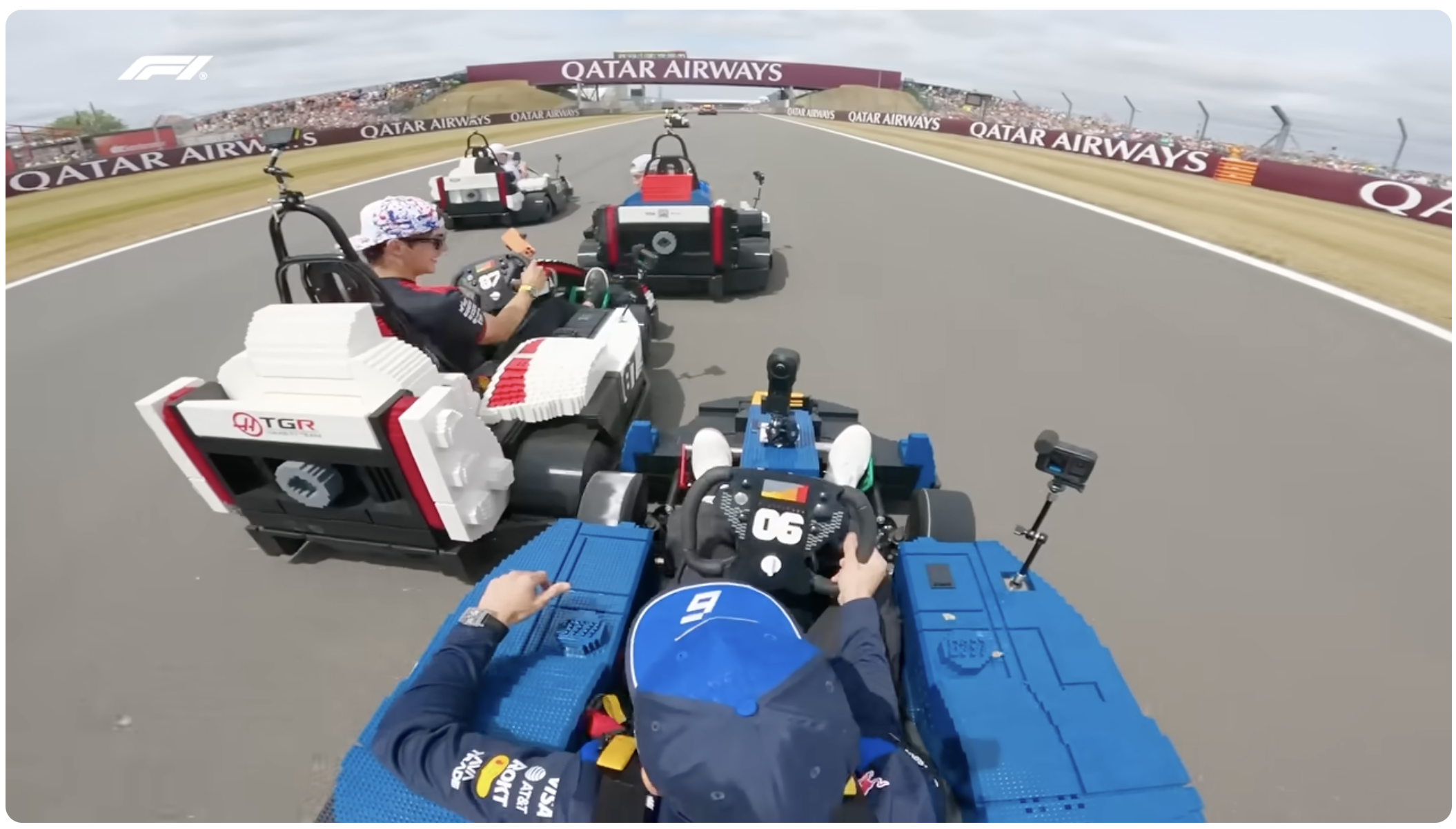
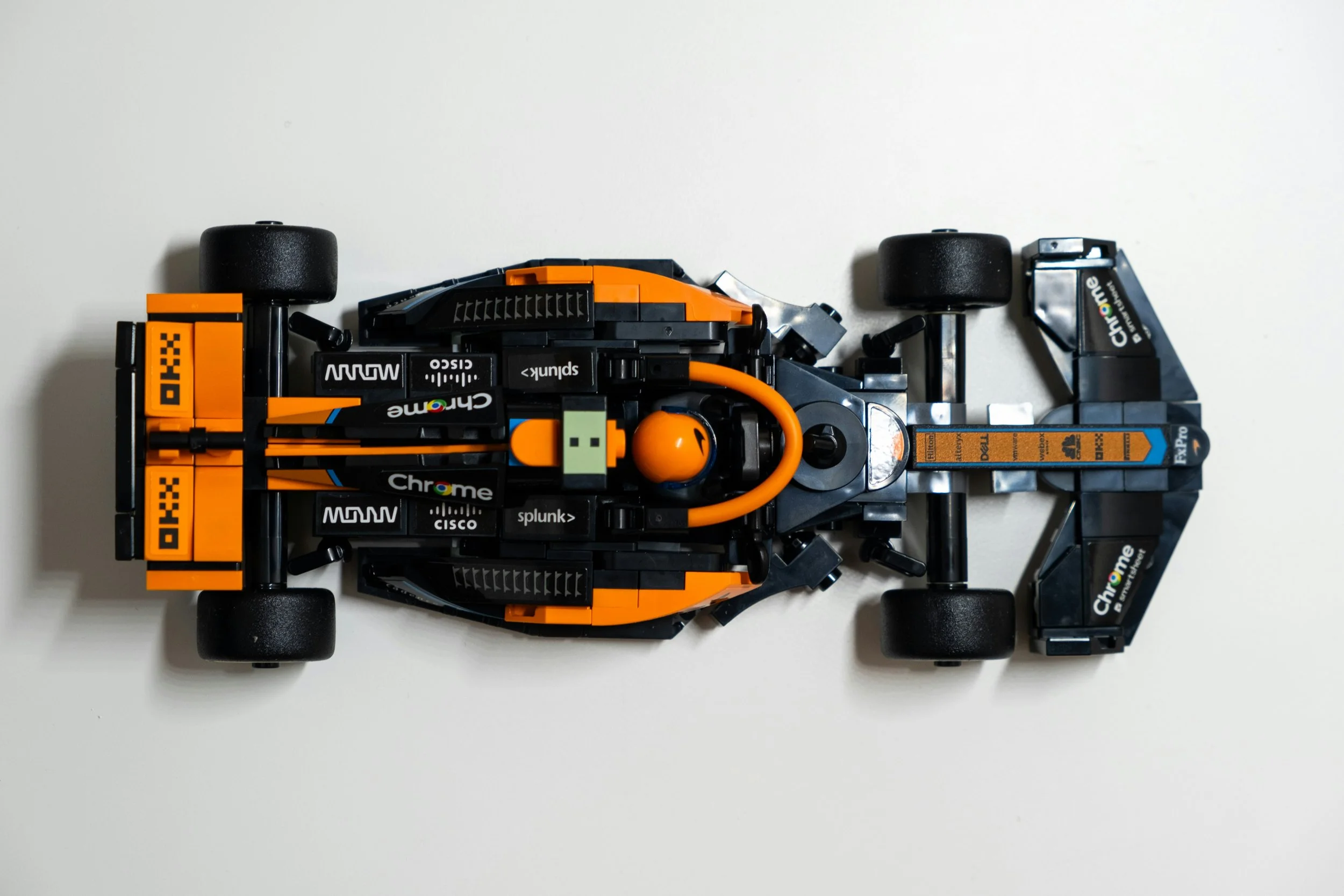
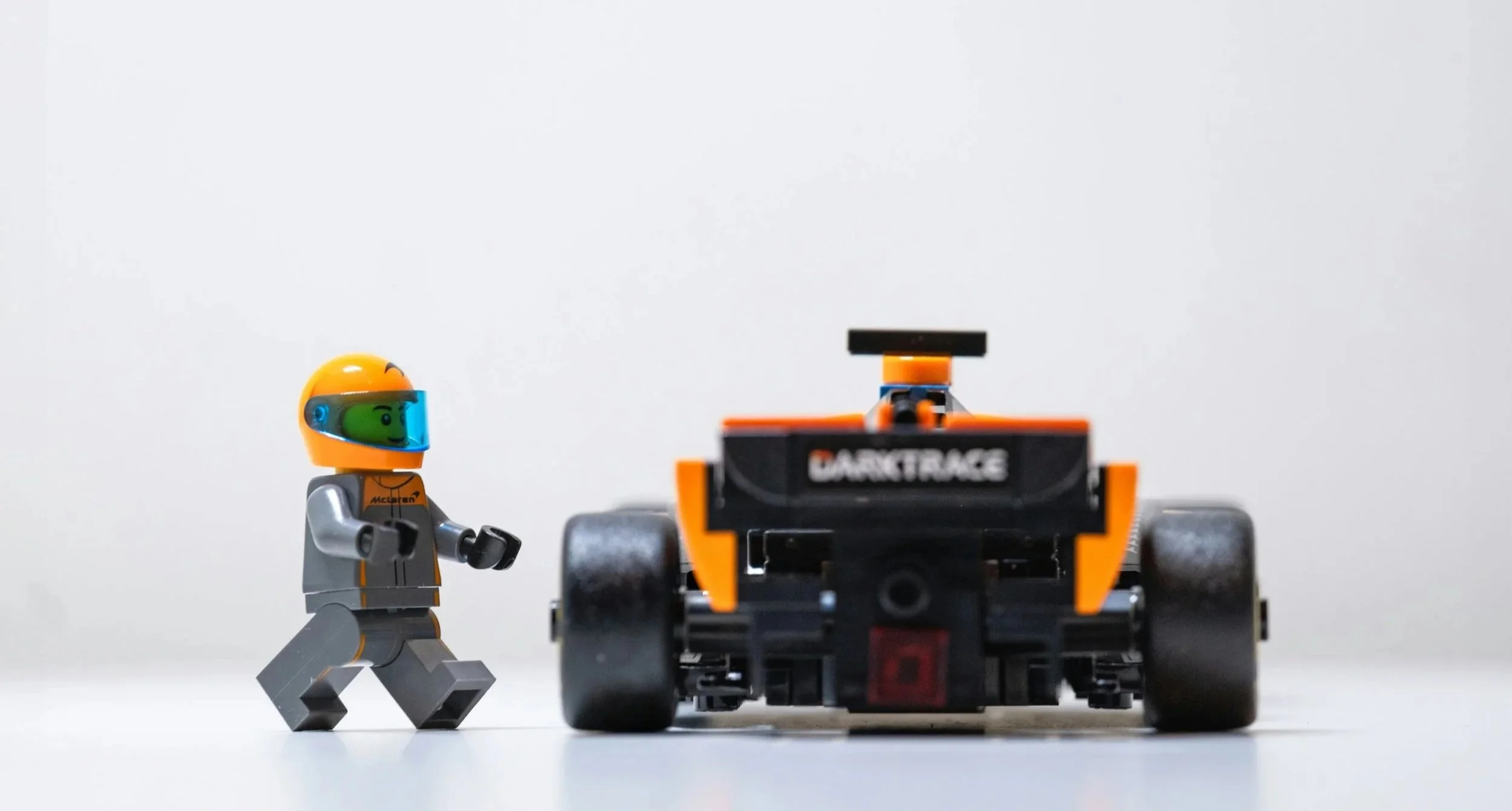
Their latest play? Replacing the standard Drivers' Parade at the 2026 British Grand Prix with drivable, motorized LEGO minicars for all 22 drivers.
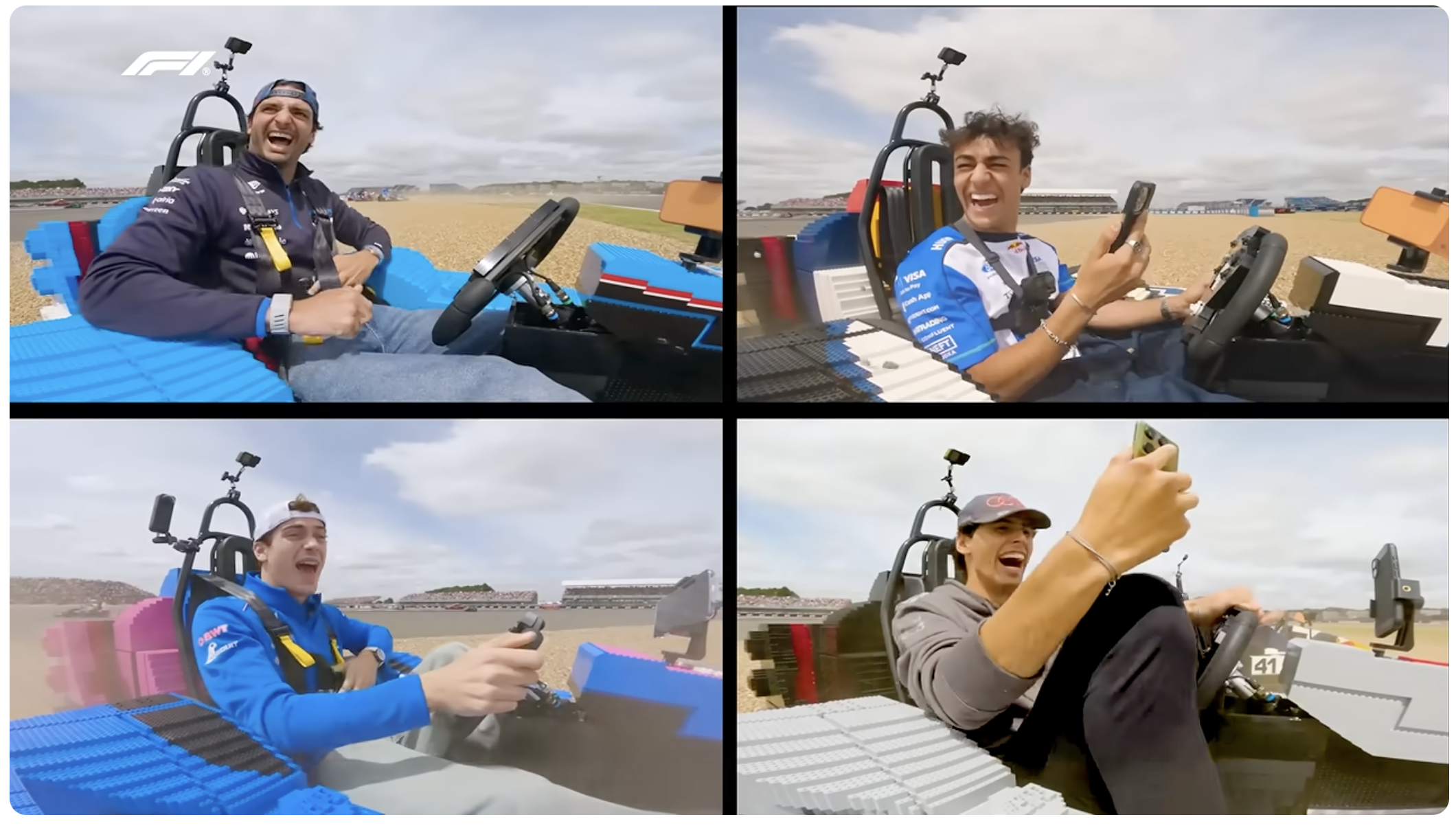
For a moment, it was pure magic. Fernando Alonso took the checkered flag, Oscar Piastri asked if the points counted for the championship, and Gen Z drivers live-streamed the chaos.
But underneath the viral euphoria, a stark divide emerged. Not every driver wants to be an influencer, and treating this spectacle as a mandatory chore turned a brilliant marketing activation into a bitter debate over driver obligations.
TL;DR — The Quick Catch-Up
The Activation: At the 2026 British Grand Prix at Silverstone, Formula 1 partnered with LEGO to construct 22 individual, motorized minicars built from 28,000 LEGO bricks for an official pre-race drivers' parade.
The Viral Spectacle: The low-speed race went instantly viral, featuring unscripted bumper-car chaos, drivers getting stuck in gravel traps, and fan-favorite Fernando Alonso taking a hilarious "33rd career win."
The Backlash: While younger fans and Gen Z drivers embraced the absurdity, purists like Max Verstappen publicly boycotted the event (labeling it "clownish"), and Lewis Hamilton cited safety concerns.
The Tellagence Takeaway: Analyzing 27,500 posts using Tellagence Discover revealed that the negative buzz was isolated to mandatory driver participation rules, not the LEGO brand. Making the event opt-in protects the spectacle while eliminating PR friction.
WHAT THE DATA ACTUALLY SHOWED
Alonso’s "33rd win" satisfied a 13-year fan craving (4,800 records):
Fans jokingly treated Fernando Alonso’s low-speed LEGO minicar victory as his long-awaited 33rd F1 career win, driving massive positive sentiment across 4,800 records. The stark contrast between his LEGO win and his real-world struggles with Aston Martin gave fans an emotional payoff.Fans overwhelmingly prefer unscripted chaos over corporate polish (6,600 records):
Spectators found minicars crashing into barriers and spinning out far more entertaining than standard, hyper-produced F1 promotional events, generating 6,600 records around the pure spectacle.Forced driver participation creates an unnecessary PR divide (6,100 records):
Max Verstappen’s explicit refusal to participate—stating drivers are "not children or clowns"—spawned 6,100 records of polarizing debate regarding driver obligations. Meanwhile, Lewis Hamilton raised operational safety concerns about 25 km/h collisions right before a Grand Prix (800 records).Organic Gen Z banter drives viral reach (5,200 records):
Oscar Piastri asking whether "LEGO race points count" toward the driver championship sparked 5,200 lighthearted fan discussions, while Gen Z driver Arvid generated 800 records by livestreaming his participation directly to Instagram.
WHAT A STANDARD TOOL WOULD HAVE MISSED
If you ran a standard social listening search across the 27,500 total records, you would see a 24% negative sentiment score (6,600 records) and might assume the LEGO partnership was causing brand damage. Traditional keyword listening tools dump every tweet, post, and comment into one monolithic bucket, leaving brand managers guessing whether fans hate LEGO, hate F1, or hate corporate sponsorships in general.
Tellagence Discover reveals what simple keyword tools miss. By clustering conversation based on semantic context, Discover sorted the 27,500 records into 50 distinct conversational stories. This revealed that negative sentiment was not a widespread rejection of LEGO or F1, but was tightly concentrated inside a single operational issue: compulsory driver participation. Meanwhile, positive sentiment (38%, 10,400 records) and neutral banter (38%, 10,400 records) flourished around driver humor and chaotic entertainment. Discover separated isolated operational friction from genuine brand excitement in seconds.
STRATEGY SUGGESTIONS
Make Participation Opt-In: Transition from mandatory media obligations to voluntary participation. Allowing enthusiastic drivers like Alonso, Piastri, and Norris to shine without forcing purists like Verstappen avoids "clown" PR narratives while preserving a genuinely happy grid.
Gamify the Chaos: Lean into Oscar Piastri’s viral meme by launching an unofficial, humorous "LEGO Championship" with lighthearted standings throughout the season. Tracking ridiculous points across race weekends keeps fan engagement high between real Grands Prix.
Equip Drivers for Self-Broadcasting: Provide participating drivers with approved phone mounts to encourage TikTok and Instagram Live streams during the event. Decentralized driver POVs generate significantly higher organic reach among Gen Z audiences than official broadcast camera angles.
ABOUT THIS REPORT
This report was generated using Tellagence Discover, a contextual intelligence platform designed to uncover actionable signals within massive volumes of unstructured social conversation. By grouping raw data into semantic clusters, Tellagence provides brand strategists with clear, data-backed direction.
To learn more about our methodology, visit our science page, or contact our team to request a customized Pulse Report for your organization.